Comprehensive Commercial Cleaning Services for Businesses
Organizations encounter the critical need of sustaining a organized and efficient setting. Extensive commercial cleaning services play an important role in this effort, addressing not only aesthetic concerns but also wellness and productivity. The selection of a dependable cleaning provider can greatly impact staff satisfaction and business performance. Understanding the main advantages and fundamental criteria for selecting a service provider is crucial. What factors should companies evaluate to ensure they select the best option?
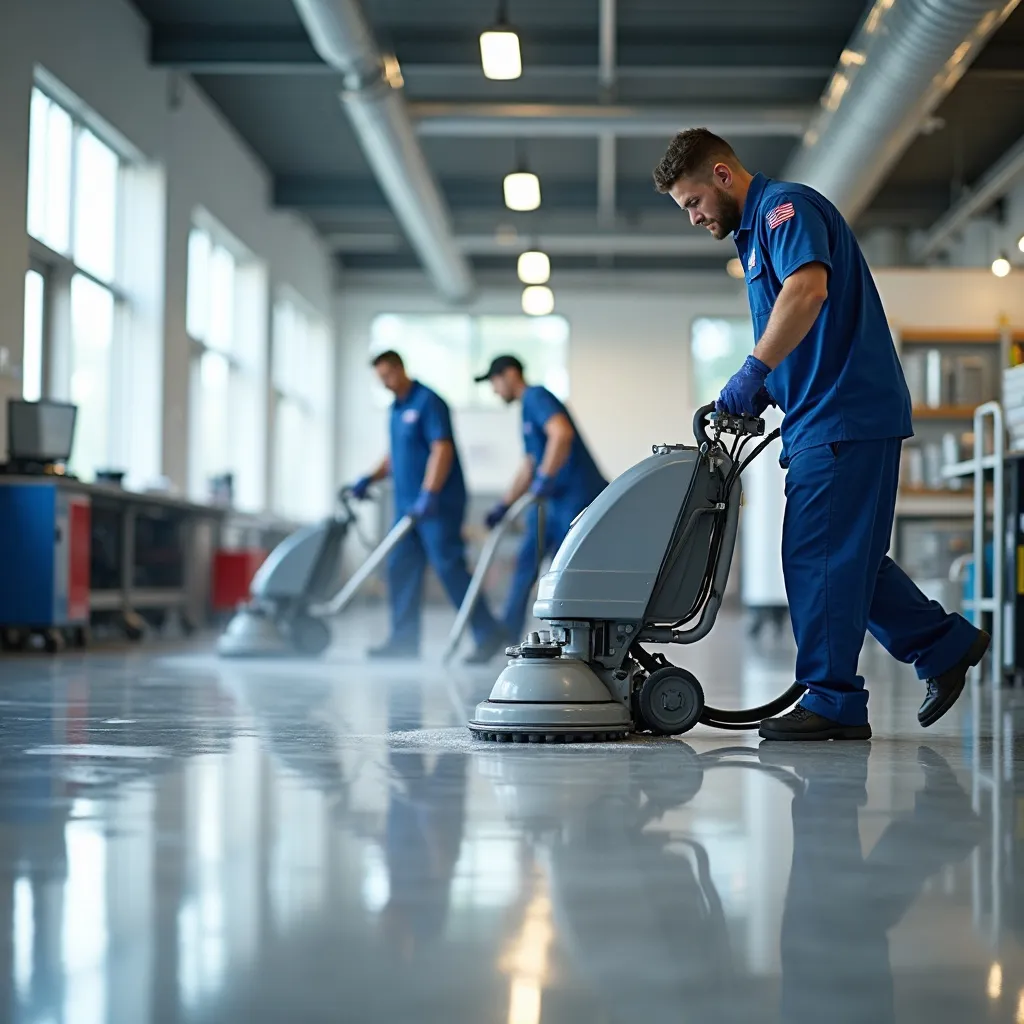
Essential Benefits of Commercial Cleaning Solutions
The advantages of commercial cleaning solutions extend far beyond mere aesthetics. Mainly, these services enhance workplace productivity; a clean environment enables employees to concentrate better, reducing interruptions caused by clutter and grime. Additionally, commercial cleaning guarantees that facilities are maintained using advanced tools and methods, leading to superior cleanliness levels that internal cleaning staff may not achieve.
Moreover, businesses benefit from the skill that professional cleaners bring, as they are trained to address multiple surfaces and materials in a safe and efficient manner. This professional expertise lessens the risk of damage property and extends the service life of furnishings and equipment.
Furthermore, regular maintenance can greatly improve air quality indoors, promoting better health for employees and reducing absences due to sickness. Overall, utilizing professional cleaning solutions creates a healthier, more productive workplace while preserving companies resources and time that can be allocated elsewhere.
The Value of Keeping Things Clean in the Workplace
While many may ignore its importance, cleanliness in the workplace is essential for fostering a positive and productive environment. A spotless workspace not only enhances the aesthetic appeal but also supports employee morale and output. Research indicates that employees are more motivated and focused in organized surroundings, minimizing distractions and encouraging a sense of expertise.
Furthermore, tidiness plays a vital role in physical condition and safety. Routine cleaning helps reduce the spread of microbes and allergens, which in turn lowers absenteeism caused by sickness. This is especially important in shared spaces, where the risk of contamination is increased.
Furthermore, keeping a clean workplace can boost the company's reputation, as clients often form first impressions based on their observations of the environment. In the end, prioritizing cleanliness is not merely a matter of aesthetics but a significant component of workplace productivity and employee well-being.
Services Delivered
A wide range of solutions is a important factor in choosing a commercial cleaning company. Firms should examine companies that offer customized cleaning solutions matched to their specific needs. Key offerings include office cleaning services, carpet and upholstery maintenance, floor maintenance, and window cleaning. Beyond this, specialized services like thorough cleaning, post-construction cleanup, and disinfection are essential, notably in the current hygiene-focused environment. Providers should further assess the adaptability of service schedules, confirming that maintenance can happen after hours or weekends to reduce disruption. Moreover, a reputable cleaning provider should provide reliable client support and clear pricing. By evaluating these offerings, businesses can create informed choices that align with their operational requirements and cleanliness standards.
Green Approaches
How can businesses guarantee a cleaner setting while sustaining their dedication to sustainability? Selecting a professional cleaning service that prioritizes eco-friendly methods is essential. These companies employ biodegradable cleaning products, minimizing toxic substances that can affect indoor air quality and the ecosystem. Additionally, they adopt techniques such as microfiber cleaning and high-efficiency vacuuming, which reduce water usage and power usage.
In addition, a commitment to recycling initiatives and waste management illustrates a cleaning company's dedication to sustainable practices. Businesses ought to inquire about credentials and education connected with green cleaning methods. By choosing a cleaning partner that aligns with environmental values, businesses not only enhance their workspace but also contribute to a more sustainable world, fostering a positive brand image.
Forms of Specialized Cleaning Offerings
Several professional providers serve unique requirements across multiple sectors, ensuring that particular spaces are kept to the highest standards. For example, healthcare centers require rigorous cleaning procedures to prevent infections, prompting services that focus on biohazard cleanup and sterile environments. Likewise, industrial facilities often demand industrial cleaning, which includes heavy machinery and toxic material disposal.
In the lodging industry, specialized cleaning services ensure that hotels and restaurants maintain hygiene and aesthetic standards, often involving deep cleaning and carpet care. Schools and universities also benefit from tailored services that tackle the need for safe and clean learning environments, concentrating on areas like classrooms and restrooms. Additionally, after-construction cleaning solutions are vital for clearing waste and readying areas for use. In summary, professional cleaning solutions play a significant role in maintaining cleanliness and safety across various industries, modifying approaches to satisfy specific operational requirements.
How routinely Should You reserve Cleaning Services?
Determining the frequency of cleaning services is based on different factors, including the type of facility, foot traffic, and specific industry requirements. For example, high-traffic locations like retail stores or medical facilities often need daily cleaning to ensure hygiene and appearance. On the other hand, offices with less foot traffic may call for services weekly or every two weeks.
Additionally, companies with rigorous regulatory standards, like food production or healthcare, may dictate more frequent cleaning to comply with safety protocols. Seasonal fluctuations can also influence scheduling; for illustration, during peak business periods, increased cleaning may be justified to accommodate larger crowds.
Ultimately, businesses should consider their particular needs and coordinate with cleaning service providers to design an proper schedule. Regular evaluations can validate that the frequency of cleaning aligns with operational demands, promoting a clean and safe environment for employees and clients alike.
Cost of Cleaning Services
The expenses related to commercial cleaning services can differ significantly based on several factors. Important factors influencing pricing include the square footage, service frequency, and particular duties required. Furthermore, cleaning package choices can further impact overall costs, enabling businesses to tailor their cleaning needs to their financial plan.
Aspects Modifying Pricing
Knowing the main factors that affect cleaning service costs allows clients to make better decisions. Several aspects contribute to pricing, such as the size of the space, cleaning frequency, and specific services needed. Larger spaces typically carry higher costs because of the added labor and materials required. Also, the type of cleaning—standard, deep, or specialized—can greatly impact the pricing. The geographic location also plays a role since labor rates and operational costs differ by region. Additionally, contract length may affect pricing; longer contracts often result in discounted rates. Clients should consider the reputation and experience of the cleaning service provider, as recognized companies may charge premium rates for their expertise and reliability.
Best Practices for Maintaining Neatness
Maintaining hygiene in commercial spaces requires ongoing dedication and strategic planning. Businesses can establish a regular cleaning routine, delegating responsibilities to staff to ensure that busy zones are regularly attended to. Creating a defined system for garbage management is essential; bins should be emptied frequently to avoid accumulation and bad smells.
Implementing checklists can maintain accountability across team members, verifying that cleaning work are not forgotten about. Moreover, purchasing quality cleaning supplies and equipment can boost efficiency and effectiveness. Periodic deep cleaning projects must be organized, concentrating on areas often neglected, including carpets and upholstery.
Establishing a culture of tidiness among employees is also important. Straightforward habits, such as keeping workspaces organized and sanitizing personal items, can foster a more sanitary environment. By stressing these strategies, businesses can preserve a pristine milieu that facilitates employee well-being and performance.
Often Raised Questions
What Qualifications Should a Professional Cleaning Company Have?
A commercial cleaning service should possess certifications such as OSHA compliance, Green Seal for eco-conscious operations, and specialized instruction in disease prevention. These credentials guarantee safety, excellence, and compliance with industry standards.
Do Professional Cleaners Support Custom Requirements or Schedules?
Many cleaning services can fulfill special requests or timetables, modifying their services to satisfy specific client view resource needs. Adaptability often improves customer contentment and guarantees that housekeeping duties align with individual business operations and choices.
Are sustainable green cleaners purchasable?
Yes, eco-friendly cleaning solutions are obtainable. Many cleaning services prioritize environmental responsibility, providing a range of environmentally safe options that efficiently remove dirt while reducing damage to the ecosystem, ensuring a healthier space for occupants and the Earth.
What Happens if Injury Happens During The Cleaning Process?
If damage takes place during cleaning, the service provider generally examines the situation, records the event, and may offer repairs or compensation. Liability often relies on the terms outlined in the contract between parties involved.
How Are Janitorial Personnel Trained and Vetted?
Cleaning staff participate in thorough training programs concentrating on methods, safety protocols, and equipment usage. Moreover, they are screened through background verification and references, guaranteeing professionalism and trustworthiness in their cleaning practices and interactions.